FELCO 2 Secateurs: Hand Fit, Cutting Limits and Long-Term Care
The FELCO 2 is a traditional, serviceable pair of bypass secateurs for regular garden pruning. Its strongest reason for consideration is the combination of a straightforward cutting action and replaceable wearing parts. It is also a fairly large, right-handed tool: a famous model is not necessarily a comfortable fit for every gardener.
Garden Gadget Zone originally featured these secateurs in 2015. The original photographs remain here, with the buying and care guidance checked against current manufacturer information in October 2026. This is a researched guide, not a claim that we have tested a new pair.
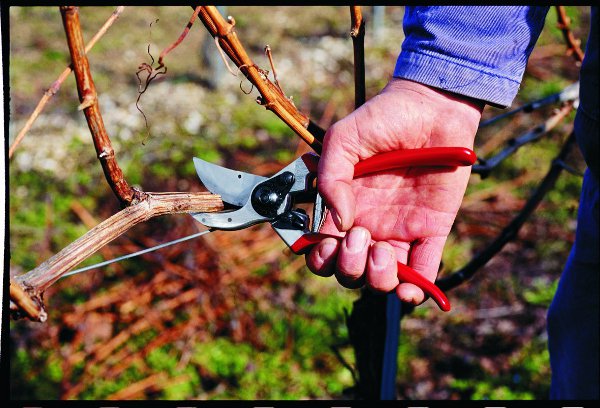
What the FELCO 2 is designed to do
The current FELCO 2 specification describes a right-handed bypass tool for large hands, 215 mm long, with a rated cutting diameter of 25 mm. The blade passes its opposing blade to make the cut. Although FELCO calls the opposing component an “anvil blade”, the complete tool is classified as bypass, not an anvil-type secateur.
Its construction includes a hardened steel cutting blade, forged aluminium handles, adjustable cutting-head mechanism and cushioned closing action. A sap groove helps clear sticky residue, and the blade includes a wire-cutting notch; use that feature only as the manufacturer directs. FELCO also lists replacement parts. Those details help explain what can be maintained, but they do not make 25 mm a comfortable target for every hand or every woody stem.
Think of the diameter rating as a limit to check, not a challenge. If a cut needs twisting, a second hand or excessive force, stop and choose a suitable lopper or pruning saw. Hard, dry wood and an awkward cutting angle can make a much smaller stem demanding. A clean, controlled cut is more useful than proving that a branch fits between the blades.
Try the fit before buying
With a demonstration tool handled safely, check whether you can open and close the handles without stretching your fingers. The catch should be reachable without a struggle. Try the grip with the gloves you actually use and consider the weight over a session, not just for a few seconds at the counter.
If the handle opening is too wide, choose a smaller-hand design rather than compensating with an awkward grip. Left-handed gardeners should compare a tool designed for that hand.
FELCO’s comparison of the 2 and 8 identifies the angled cutting head of the FELCO 8 as the principal ergonomic difference. Both are intended for larger hands; the 8 is not simply the smaller alternative. Treat the manufacturer’s comfort claims as a reason to try both, not proof that either will cure wrist pain or suit everyone.
For small-space food growing, tool choice should follow the plants. Soft harvesting and delicate work may call for snips, while woody stems require a suitable pruner. Our vertical vegetable-growing guide puts the equipment choices in the context of crops, supports and available space.
Prune the plant at the right time
Owning a good pair of secateurs does not establish when a plant should be cut. Identify the species and the purpose of the pruning first: removing damaged growth, training a plant and encouraging flowering can call for different decisions.
The RHS tree-pruning guide is a useful starting point for small branches, and recommends disinfecting tools between cuts when removing diseased wood. Use the relevant plant-specific guidance for timing. Avoid applying a blanket “winter pruning” rule to every shrub, climber or fruit tree.
Keep the hand holding the stem clear of the cutting path, and reposition yourself so the tool can work without sideways leverage. A secateur is not a substitute for a saw on a large branch. Close and secure the blades when moving between jobs or putting the tool down.
Keep the cutting action clean and correctly adjusted
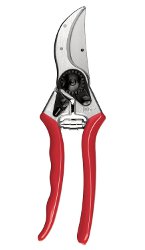
Before deciding that a poor cut needs a new blade, inspect the tool. Sap deposits, a damaged edge, sideways play or an over-tight pivot can each affect the action. Stop using a damaged or unreliable pair until it has been checked.
FELCO provides model-specific cleaning and servicing videos, including the FELCO 2. Follow the adjustment sequence for this model rather than tightening the centre fitting as far as it will go. After maintenance, check that the blades move smoothly and the catch secures them.
For sharpening, follow the existing cutting bevel with a suitable tool. The RHS sharpening guide explains cleaning, dismantling where appropriate, sharpening the bevel and removing the burr without creating a new bevel on the flat face. Removing more metal is not a shortcut to a better edge. A chipped blade or uncertain adjustment is a sensible reason to use a competent servicing workshop.
Remove plant residue, dry the tool and lubricate it according to the manufacturer’s instructions before storage. Where disinfection is needed, use a product suitable for tools and follow its label, including contact time and any rinsing requirements. Cleaning away sap and disinfecting a contaminated surface are different jobs.
Check parts, support and the real cost of ownership
The FELCO 2 parts catalogue includes a cutting blade, springs and closing/adjustment components. Compare the cost of a repair with a replacement pair and check whether the job is one you can perform correctly. Parts that look similar across FELCO models are not automatically interchangeable.
Use the manufacturer’s product and dealer information to check the seller, exact model and regional support. Keep the receipt and model details. The manufacturer’s lifetime warranty wording relates to the forged aluminium handles; it is not a promise of free blades, springs and other wearing parts forever. Read the terms that apply where you buy.
The FELCO 2 makes sense when its hand fit, cutting action and repair options suit the work you do. A smaller, left-handed or differently shaped pruner can be the better choice when they do not. Buying the right fit and keeping it sharp matters more than choosing by reputation alone.