Leaf Blowers and Garden Vacuums: Choosing the Right Tool
First published in 2015. Substantially updated in October 2026. This guide draws on manufacturer instructions and horticultural guidance, not Garden Gadget Zone hands-on testing.
A leaf blower moves leaves; a garden vacuum collects them. Some machines do both, but the change of mode, collection bag and weight can make the second job quite different from the first. Start by deciding where the leaves need to go and how you will collect them, rather than choosing the largest advertised air-speed figure.
For a small patio, a broom may be quicker than fetching, charging and cleaning a machine. A rake and leaf grabs remain useful on a lawn and among plants. Powered equipment is most worthwhile where repeated leaf fall, awkward hard surfaces or a larger clearing job justify the noise, storage and maintenance.
Blower, vacuum or combination machine?
- Blower only: gather loose material into manageable piles, then collect it separately. A light cordless blower can be convenient for short tasks, but it will not bag the leaves.
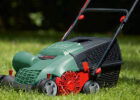
- Garden vacuum: draws suitable leaves into a bag, often through a shredding mechanism. Consider the loaded bag weight, how it empties and how readily the air path blocks.
- Combination blower-vac: useful if both jobs are frequent. Check whether changing mode needs a different tube, bag or other parts, and whether conversion is practical for you.
Read the permitted-material list. A leaf vacuum is not a wet-and-dry workshop vacuum, drain cleaner or substitute for a branch shredder. Stones, glass, wire, substantial twigs and other hard debris can create hazards and damage the machine. Where leaves have accumulated over gravel or delicate planting, careful manual collection may be the better choice.
Choose the power system around the job
Cordless: removes the trailing mains cable but introduces battery capacity, charging and replacement costs. Check the exact battery family, approved capacities and charger, particularly when buying a bare tool. The same voltage printed on two products does not establish compatibility. A larger battery can add useful working time and weight; consider how the complete tool balances in your hand.
Corded electric: can suit work within practical reach of a suitable outdoor supply. Check cable length, the extension rating and manufacturer instructions rather than improvising a string of adapters. Plan a route that keeps the cable out of the clearing area. Use appropriate RCD protection and keep connections dry.
Petrol: may be relevant for sustained work over extensive grounds, but adds fuel handling, engine servicing, exhaust emissions and noise. For an ordinary small garden, compare the whole ownership burden with a battery tool or manual collection before moving into this category.
Do not turn a quoted battery runtime into a guaranteed time to clear your garden. Speed setting, battery specification, temperature and resistance from the material all affect the job. Compare runtime at a useful working setting, including time spent moving piles and emptying the bag.
Specifications that help, and those that can mislead
Air speed and air volume describe different things. Speed may be quoted at a particular nozzle; volume describes how much air moves. Compare like-for-like units and test conditions, not a single impressive maximum. Neither number alone tells you how a tool will handle damp leaves stuck to paving.
Weight should include the battery or the vacuum tubes and bag, as appropriate. A comfortable blower can become tiring in vacuum mode, especially as the bag fills. Check the handle positions and shoulder strap, and whether you can carry, empty and store the complete assembly.
Noise needs context. Sound power describes the machine’s emitted sound; sound pressure is a measurement at a position under specified conditions. They are not interchangeable figures. A product described as quiet can still require hearing protection. Plan short sessions at considerate daytime hours.
Shredding ratios depend on the material. A manufacturer’s reduction claim is not a promise that every full garden bag becomes a fixed fraction of its size. Wet, compacted material behaves differently from loose dry leaves.
A documented UK blower-vac example
The Bosch UniversalGardenTidy 3000, order number 06008B1071, illustrates a corded combination design. Bosch lists blowing, vacuuming and shredding, a 50-litre collection bag, and tool weights of 3.4kg in blower configuration and 4.7kg as a garden vacuum. The extra collected leaves are additional weight. Its separate tubes and bag matter as much to the buying decision as its variable airflow.
Consult the manufacturer’s operating instructions for assembly, permitted use and protection requirements. This is a verified example, not a claim that it outperforms alternatives. Check the exact UK bundle and power arrangements before ordering.
What happened to the JUEMEL recommendation?
The older page promoted a JUEMEL 20V blower/vacuum and repeated claims about wet-leaf performance, rapid charging and a minimum 25-minute runtime. We have not established current manufacturer documentation or support for that exact historical bundle, so those claims are no longer presented as buying advice. If you already own it, use its supplied manual and exact battery/charger identification rather than instructions for the Bosch example above.


A practical clearing routine
- Inspect first. Remove litter and hard objects, check for animals and keep people and pets clear. Do not direct air into hedges, nest sites or a pile that may shelter wildlife.
- Pick suitable conditions. Dry, relatively still weather makes collection easier. Treat matted wet leaves as a different job: loosen or lift them manually rather than repeatedly driving the tool at maximum power.
- Choose the destination. Work towards a collection area on your own property. Keep leaves out of roads, drains, neighbouring gardens and ponds.
- Use controlled passes. Start at a low useful setting and move manageable amounts. Stop if stones or excessive dust are being thrown; changing method is preferable to creating a hazard.
- Collect frequently. Empty a vacuum bag before it becomes too heavy or airflow deteriorates. Turn off and isolate the tool before changing attachments or dealing with a blockage.
The Bosch instructions require eye and ear protection, warn against use in rain, and require unplugging before maintenance and waiting for moving parts to stop. For a battery machine, follow its prescribed isolation procedure. Never reach into an impeller simply because the trigger has been released.
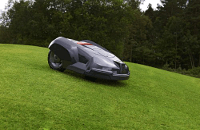
If a robot mower maintains the lawn, remove substantial leaf accumulations separately rather than expecting it to become a collector. Our older Automower buying guide covers the practical checks needed before relying on an automatic mower.
Use the leaves where they are useful
Clear slippery paths and areas where leaves are causing a practical problem, rather than treating every leaf as rubbish. Appropriate undisturbed leaf litter and sheltered piles can remain habitat. For collected leaves, the RHS leafmould guide explains how decay produces a useful soil conditioner; shredding tougher leaves can speed the process. Keep rubbish out and do not expect instant compost.
A blower is also no substitute for cleaning a blocked rainwater diverter. Remove debris safely by the method appropriate to the fitting; never blow it into the tank. Our water-butt guide covers debris control and keeping stored garden water usable.
Maintenance and the real purchase cost
After isolation, clear the air path and clean the bag as instructed, letting washable parts dry before storage. Check for a torn bag, loose fixings or damaged cables. Stop using equipment with damaged safety guards or a suspect battery. Store the tool and power equipment under the conditions specified by their manufacturers.
Budget for the complete working kit: tool, appropriate battery and charger where needed, suitable protection, collection equipment and replacement bags or other wear parts. Check spare-part support before buying an unfamiliar brand. If clearing usually takes less time with your existing rake than setting up a powered machine, keeping the rake is a sound result of the comparison.