

Solar Garden Lights: Choosing, Positioning and Maintaining Them
First published in 2015. Substantially updated in October 2026. This guide uses manufacturer documentation and wildlife guidance; Garden Gadget Zone has not physically tested the products described.
Solar lights work best when the lighting job suits the energy available. A few decorative lights for summer evenings are a different purchase from a light needed reliably on steps every winter night. Start with what must be illuminated, for how long, and where a panel can receive daylight.
These lights use electricity generated by a solar panel and stored in a rechargeable battery. They do not use “no power”, as an earlier version of this page suggested. A solar-only installation avoids a mains supply to the lights, but still has a battery, electronics and often cables between its components. Some models also accept a mains-powered USB charge.
Choose the lighting job first
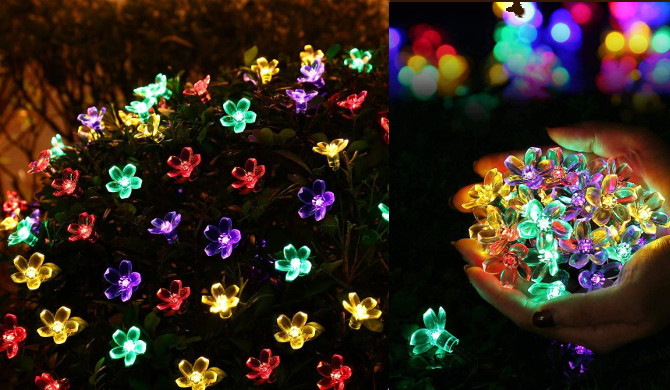
- Decorative strings and ornaments: provide points of light and atmosphere. A large LED count says little about how well they illuminate a surface.
- Path markers: help identify an edge. Check whether they cast useful light onto the path rather than mainly shining into your eyes.
- Spotlights: concentrate light on a feature. Position and beam direction matter as much as headline output.
- Motion-activated lights: can conserve stored energy between visits, but check detection coverage, activation time and whether there is also a continuous dim mode.
For a hazardous step or essential access route, do not assume a decorative solar stake is adequate. Assess the actual winter illumination and retain a reliable alternative if needed. A properly designed mains installation may suit an essential lighting job better; outdoor electrical work should be handled by a suitably qualified electrician.
Why winter performance is different
A light has an energy budget: the panel’s daily input has to cover the LEDs and electronics, allowing for losses. Shorter days, low winter sun, shading, dirt and prolonged cloud can reduce charging. A battery’s advertised capacity does not show how much energy the panel will replenish at your site each day.
“Up to” runtime is therefore not a promise of that many hours every night. Establish the conditions behind the claim: brightness mode, starting charge, weather and time of year. A lower-output or shorter-duration setting may be more useful than running at full brightness until the battery is depleted. A light advertised for year-round use can still have variable winter output.
If dependable performance matters, ask the supplier how the exact model behaves after several dull days. Does it dim, shorten its operating period or simply stop? Is a backup charge available, and will you realistically bring the unit indoors to use it? Avoid buying on a summer photograph alone.
Put the panel where it can charge
Check the proposed position at different times of day before fixing anything permanently. In a UK garden, a broadly south-facing, unshaded position is a useful starting point, but a nearby building or evergreen tree can outweigh compass direction. A spot that receives summer sun may be shaded when the sun is lower in winter.
A separate panel lets you hang lights under a pergola while charging in a brighter place. Measure the actual cable route, including the distance up posts and around corners; the advertised lit length may exclude the unlit lead. Do not stretch wires, trap them under doors or create trip hazards. Use only extensions approved for the exact system.
Keep the panel accessible for cleaning and away from irrigation spray where practical. Another lamp shining onto a combined panel or light sensor can make a dusk-triggered product think it is still daytime. Positioning the panel and positioning the light are two separate decisions, even when a cheap unit forces both into one housing.
Read the specification as a complete system
Light output: lumens describe visible light output, while the beam and mounting position determine where it lands. LED count and electrical wattage are not substitutes for this information. Compare the same operating mode, and ask for usable measurements if a light is being sold for a functional task.
Colour and controls: warm white can suit a seating area, but “warm” does not make all-night lighting harmless to wildlife. Look for an accessible off switch, useful duration settings and a steady mode if flashing is unwanted. Check whether the device remembers your setting.
Weather protection: check the declared protection for the panel, lamp, battery enclosure and connectors, not just one part. “Outdoor” does not mean safe to submerge. Follow installation orientation and sealing instructions, and keep units out of standing water. Do not infer frost or flood resistance from a photograph.
Repairability: find out whether the battery is replaceable, its approved replacement specification and whether spares are actually listed. A replaceable battery helps only if a suitable replacement and safe replacement instructions remain available. Compare the warranty’s exclusions and support arrangements rather than assuming every part is covered equally.
A documented UK example: Lumify USB string lights
The Solar Centre lists Lumify USB Warm White 100 LED fairy lights with a separate solar panel, USB charging backup and a replaceable rechargeable battery. Those features illustrate useful buying questions: can the panel reach the sun, can you access the charging unit, and is there a supported replacement battery?
The manufacturer’s linked Lumify instructions describe a power-saving mode and an automatic eight-hour switch-off. That timer limit is not a guarantee of eight hours of light from every day’s solar charge. The instructions also set out charging precautions; use the supplied guidance rather than improvising a charger or battery substitution.
At our October 2026 check, different parts of the product page gave conflicting IP ratings. We therefore do not publish a single verified rating here: confirm the exact current unit’s protection with the supplier before selecting it for an exposed position. The linked manual has an older publication date, so also check the instructions supplied with the generation you buy. This is a documented example, not a claim that it is the best-performing set.
Light the space without lighting the whole garden
The RHS guidance on lighting and wildlife recommends reducing unnecessary light and considering its direction, intensity and operating hours. Use the fewest lights that fulfil the purpose, aim them downwards, shield spill and turn decorative displays off when nobody is using the space. Preserve dark areas and routes through the garden.
The Bat Conservation Trust explains why artificial lighting can affect bats. Avoid illuminating roost entrances, hedges and other routes used by wildlife. A solar power source does not remove the ecological effects of the light itself.
If you are also installing a bird-box camera, keep decorative lighting away from the nest site. Do not add a garden spotlight simply to improve a camera picture. Plan the lighting around people’s genuine needs and the garden’s existing wildlife, rather than treating every dark corner as unfinished.
Commissioning and troubleshooting
- Read the starting instructions. Check for a transport isolator, the required switch position and any initial charging procedure. Different controllers handle charging and operation differently.
- Test before permanent installation. Confirm the intended mode and cable reach, and observe a complete evening rather than only the first minute after dusk.
- If it does not light, check the simple causes. Confirm the switch and mode, panel cleanliness, shade and stray light on the sensor. Use only the manufacturer’s suggested darkness test.
- If runtime has declined, separate weather from deterioration. Compare performance after adequate charging in a suitable position. Persistent decline may justify inspecting the approved battery and contacts, following the manual.
- If water has entered or a battery is damaged, stop using it. Do not keep charging a compromised unit or open a sealed product without an authorised procedure.
Maintenance and whole-life value
Gently clean the panel as directed, inspect fixings and cables, and remove vegetation that has grown into its light. Check weather seals when the manual permits access; replacing a battery should not leave the enclosure less protected. Follow the maker’s storage instructions if taking lights down for winter, including any rechargeable-battery care.
Budget for approved replacement batteries and eventual component replacement, as well as the purchase price. USB backup consumes electricity from its charging source. There is no basis for promising a particular financial payback or environmental saving without knowing what the lights replace, their service life and their use.
A modest, repairable set in a good charging position can be more useful than a larger display with an undersized panel. Choose the lighting effect and operating hours you actually need, and preserve the option to switch it off.


